

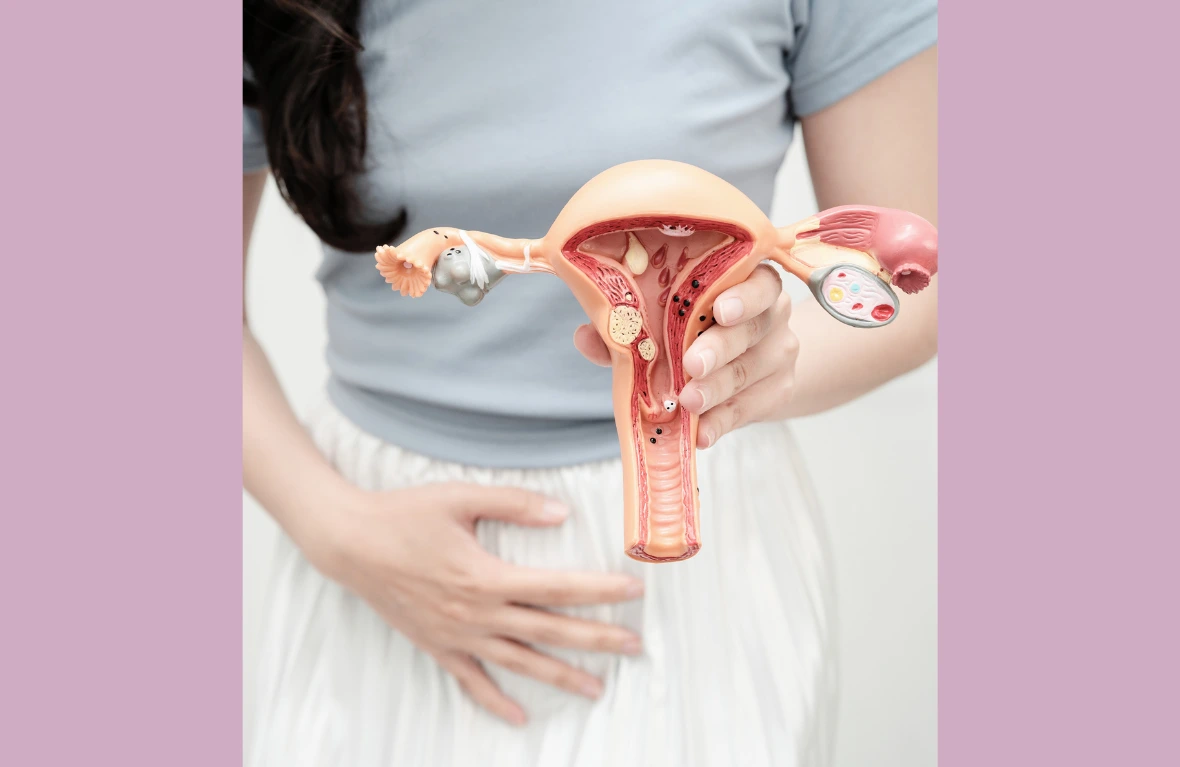
Timeliness is crucial
The diagnosis and treatment of gynecological diseases are essential parts of women’s healthcare, allowing for timely detection of changes, prevention of disease progression, and maintaining well-being at various life stages. The clinic offers comprehensive examinations, modern diagnostics, and individually tailored treatments based on each woman’s needs.
Visiting a gynecologist in a timely manner allows you to:
– detect diseases early before they cause serious symptoms
– prevent disease progression and complications
– reduce the need for invasive treatments
– preserve fertility
– ensure a good quality of life
Even minor but recurring symptoms can signal health issues, so delaying is not advisable.
What gynecological diseases do we diagnose and treat?
Our clinic diagnoses and treats the most common and more complex gynecological diseases, including:
– vaginal and cervical inflammations
– bacterial and fungal infections
– menstrual cycle disorders
– painful or heavy periods
– ovarian cysts
– uterine fibroids
– endometriosis
– changes in the uterine lining (endometrium)
– polyps
– hormonal imbalances
– causes of infertility
– chronic pelvic pain
Timely diagnostics allow for the selection of effective and most suitable treatment for a woman’s body.
How is the diagnosis performed?
The diagnosis of gynecological diseases is performed comprehensively, evaluating symptoms, test results, and overall health condition. Depending on the situation, the following may be performed:
– obstetrician-gynecologist consultation and examination
– ultrasound of the reproductive organs
– laboratory tests
– cytological and microbiological tests
– hormone tests
Accurate test results allow for determining the cause of the disease and planning targeted treatment.
How is the treatment selected?
Treatment is always selected individually, considering the diagnosis, woman’s age, life stage, and medical history. It may include:
– medication treatment
– hormonal treatment
– monitoring and periodic check-ups
– procedures when necessary
Great attention is paid to ensuring that treatment is justified, safe, and applied only when truly needed.
Prevention is an important part of treatment
Regular preventive check-ups help not only diagnose diseases but also prevent them. It is recommended to visit a gynecologist at least once a year, even if you do not have any complaints.